
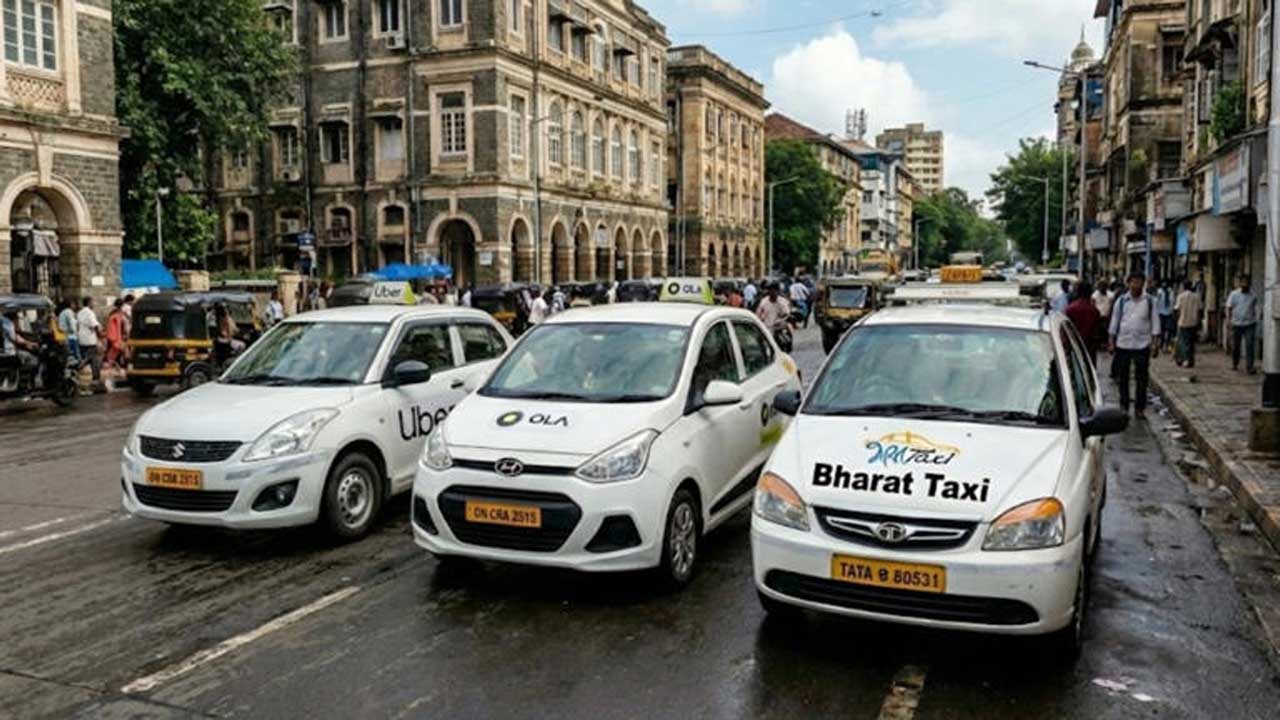
Explained | What Sets Bharat Taxi Apart From Uber, Ola, and Rapido
New Delhi — India’s app-based taxi market is set to witness a shift with the upcoming launch of Bharat Taxi, a cooperative-run ride-hailing platform that aims to reduce drivers’ dependence on private aggregators. The home-grown service is scheduled to launch in January 2026 in Delhi, with pilot operations already underway.
Many commuters already use multiple cab aggregator apps, but Bharat Taxi is positioning itself differently by placing drivers at the core of its business model. The platform is backed by eight leading cooperative organisations and is being rolled out under the broader vision of “Sahakar Se Samriddhi.” After the Delhi pilot, the cooperative plans to expand services across the country.
Bharat Taxi is operated by Sahakar Taxi Cooperative Limited. According to chairman Jayen Mehta, the platform has already gained strong traction during its early phase. “Bharat Taxi has been launched in Delhi with more than 51,000 drivers registered on the app,” Mehta told news agency PTI. He added that the initiative draws inspiration from the Prime Minister’s vision and the Ministry of Cooperation, led by Union Minister Amit Shah, to create a cooperative structure that benefits lakhs of drivers nationwide.
Although the app is yet to see a full public rollout, several features have been reported. These include user-friendly ride booking, real-time vehicle tracking, multilingual support, and round-the-clock customer service. The platform also focuses on tech-enabled safety measures for both passengers and drivers.
Also Read: https://sahkar-taxi.in/delhi-set-to-launch-indias-first-cooperative-ride-hailing-service-for-drivers-and-commuters/
At first glance, many of these features appear similar to those offered by Ola, Uber, and Rapido. The key difference lies in Bharat Taxi’s cooperative and driver-first approach. PTI has reported that the platform has entered into a safety tie-up with Delhi Police, aimed at enhancing security for riders and drivers.
More importantly, Bharat Taxi follows a zero-commission revenue model. Drivers receive the entire fare from each trip, without deductions. Any surplus earned by the cooperative is expected to be distributed directly among driver-members. This structure contrasts sharply with private platforms that charge significant commissions and has been highlighted by the government as a step toward freeing commercial drivers from reliance on private companies.
With its cooperative ownership, income-focused structure, and institutional backing, Bharat Taxi is emerging as a distinct alternative in India’s competitive ride-hailing space.